
Home Health Nurse: Compassionate Care Delivered
Ever wondered who bridges the gap between hospital discharge and complete recovery? Home health nurses transform living rooms into healing spaces, bringing professional medical expertise directly to patients' doorsteps. These healthcare heroes don't just administer medications—they're.
rebuilding independence one visit at a time. Today's aging population increasingly relies on skilled nursing care at home, making this profession more vital than ever. Let's explore how these dedicated professionals revolutionize patient recovery while maintaining dignity and comfort in familiar surroundings.
Essential Skills Beyond Medical Equipment Management
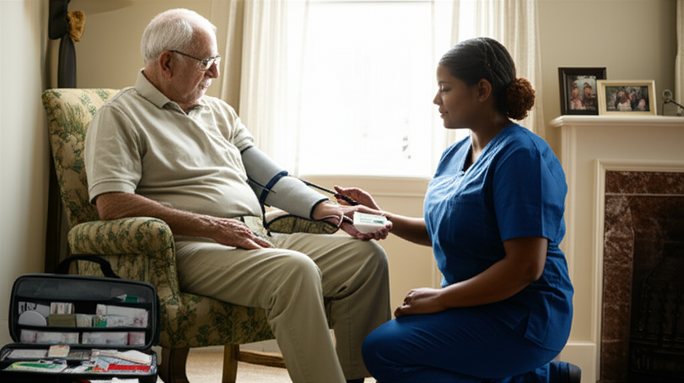
Home health nurses master a unique blend of clinical expertise and interpersonal finesse that hospital settings rarely demand. They're navigating cluttered hallways, working around curious pets, and adapting medical procedures to non-clinical environments daily. Unlike traditional nursing roles, they can't simply call for backup when complications arise—they're the sole medical professional on-site.
Technical Proficiencies That Matter Most
Beyond basic nursing skills, these professionals excel at wound care, IV therapy, and complex medication administration without hospital resources. They're troubleshooting oxygen concentrators in power outages, teaching insulin injections to trembling hands, and monitoring vital signs using portable equipment. Their toolkit includes everything from blood pressure cuffs to smartphone apps that track patient progress.
Soft Skills That Make Real Differences
Communication becomes an art form when you're explaining post-surgical care to anxious families or convincing reluctant patients to follow treatment plans. These nurses build trust quickly, reading non-verbal cues that indicate pain levels or emotional distress. They're part detective, part counselor, identifying environmental hazards that could compromise recovery while providing emotional support during vulnerable moments.
Patient Care Coordination Across Multiple Providers
Orchestrating seamless healthcare delivery requires exceptional organizational abilities and diplomatic skills. Home health nurses serve as central communication hubs, translating complex medical jargon between specialists, primary physicians, and family members. They're scheduling follow-up appointments, coordinating physical therapy sessions, and ensuring prescriptions get filled—all while documenting every interaction meticulously.
Digital Documentation Requirements
Modern home healthcare demands proficiency in electronic health records and mobile documentation platforms. Nurses input detailed assessments during visits, uploading photos of wound progression and syncing data instantly to physician portals. This real-time information sharing prevents dangerous gaps in care continuity, especially for patients seeing multiple specialists.
Insurance Navigation Challenges
Understanding Medicare guidelines, Medicaid requirements, and private insurance limitations becomes second nature. These professionals advocate for extended care authorizations, justify medical equipment needs, and help families understand coverage limitations. They're often teaching patients how to appeal denials or access community resources when insurance falls short.
| Service Type | Frequency | Average Duration |
|---|---|---|
| Wound Care | 2-3x weekly | 45-60 minutes |
| Medication Administration | Daily | 30-45 minutes |
| Chronic Illness Monitoring | Weekly | 60-90 minutes |
| Family Caregiver Support | Bi-weekly | 30 minutes |
Chronic Illness Monitoring Innovations 2024
Technology revolutionizes how nurses track diabetic patients, heart failure cases, and COPD management remotely. Smart glucometers automatically upload readings to secure clouds, alerting nurses when blood sugar spikes dangerously. Bluetooth-enabled scales detect fluid retention in cardiac patients before symptoms appear, triggering immediate interventions that prevent hospitalizations.
Telehealth Integration Strategies
Virtual visits complement in-person care, allowing nurses to check on patients between scheduled appointments. They're conducting video assessments, reviewing medication compliance via pill-dispensing apps, and providing real-time guidance during medical emergencies. This hybrid approach maximizes efficiency while maintaining personalized attention patients deserve.
Predictive Analytics Applications
Advanced algorithms analyze patient data patterns, flagging subtle changes that human observation might miss. Nurses receive alerts about potential complications days before symptoms manifest, enabling proactive interventions. These systems learn individual baselines, distinguishing between normal fluctuations and concerning trends that require immediate attention.
Family Caregiver Support Programs
Recognizing that family members provide 80% of long-term care, nurses invest significant time educating informal caregivers. They're demonstrating proper lifting techniques to prevent back injuries, teaching wound dressing changes, and explaining medication schedules. This knowledge transfer empowers families while reducing caregiver burnout—a critical factor in succesful home recovery.
Respite Care Coordination
Understanding caregiver stress, nurses connect families to respite services, adult day programs, and support groups. They're identifying signs of caregiver depression, recommending counseling resources, and occasionally arranging emergency respite when caregivers reach breaking points. This holistic approach recognizes that patient outcomes directly correlate to caregiver wellbeing.
Emergency Preparedness Training
Nurses create customized emergency plans, teaching families to recognize stroke symptoms, cardiac distress, and diabetic emergencies. They're posting emergency numbers prominently, organizing medications for quick transport, and rehearsing response protocols. These preparations save precious minutes during crises, potentially preventing permanent disabilities or death.
Home health nursing continues evolving as demographics shift and technology advances. These professionals don't just treat illnesses—they're restoring independence, preserving dignity, and keeping families together during health challenges. Their unique combination of medical expertise, technological savvy, and genuine compassion makes them indispensable members of modern healthcare teams.
As healthcare costs soar and hospitals overflow, home health nurses provide cost-effective, personalized care that improves outcomes while honoring patients' desires to heal in familiar surroundings. Isn't it remarkable how these dedicated professionals transform ordinary homes into spaces of healing and hope?